Considered residential architecture for the Bay of Plenty.
ATA is an award-winning architectural studio designing intelligent,
sustainable homes, renovations, interiors and landscapes — shaped by
site, climate and the people they're built for.
Selected project
Treefold
Not a housing company. Not a house style. A design studio working
one project at a time.
Every ATA project begins with context: site, climate, brief,
budget, and the specific identity of the people we're designing
for. The architecture responds rather than repeats.
Based in Mount Maunganui and working throughout the Bay of Plenty
and wider Aotearoa, ATA is recognised by the Architectural Designers
New Zealand awards for high-performance residential work that puts
longevity, material honesty and spatial generosity ahead of style.
Selected work
Three projects, three distinct responses to place.
Architecture, interiors and landscape resolved as one project.
New homes
Architectural design for new builds shaped around site, orientation, climate and the way each client actually wants to live.
Renovations & alterations
Transformations that respect what is worth keeping while materially improving performance, flow and daily experience.
Interiors
Spatial continuity carried through from envelope to joinery, so the architecture and interior read as one composition.
Landscape
Exterior rooms, planting and arrival sequences resolved alongside the building rather than added at the end.
The studio
Approach, process and place — in more detail.
Most of the work of an architecture practice happens in conversation, on site
and in documentation, long before anything is photographed. The notes below
describe how ATA approaches each.
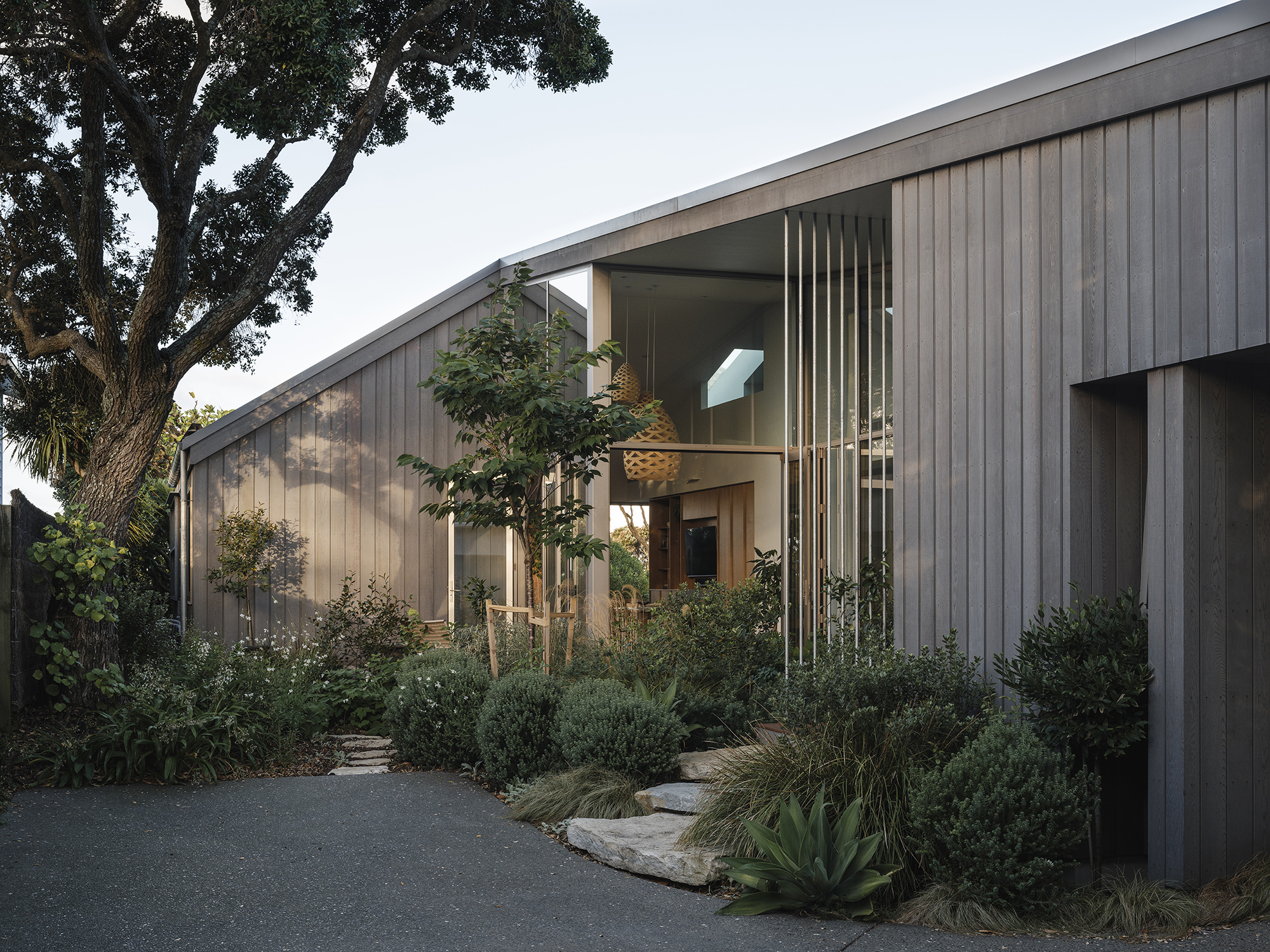
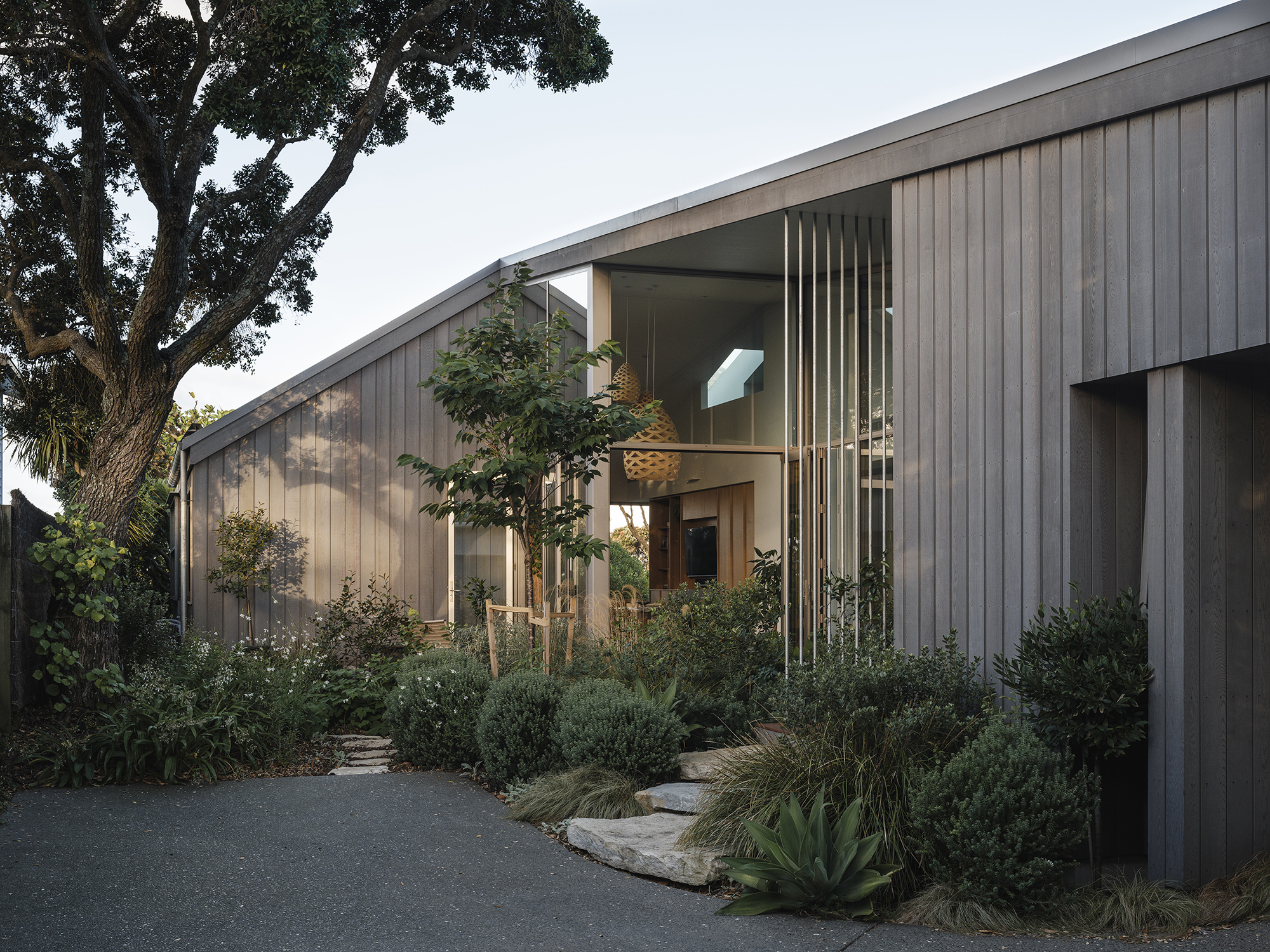
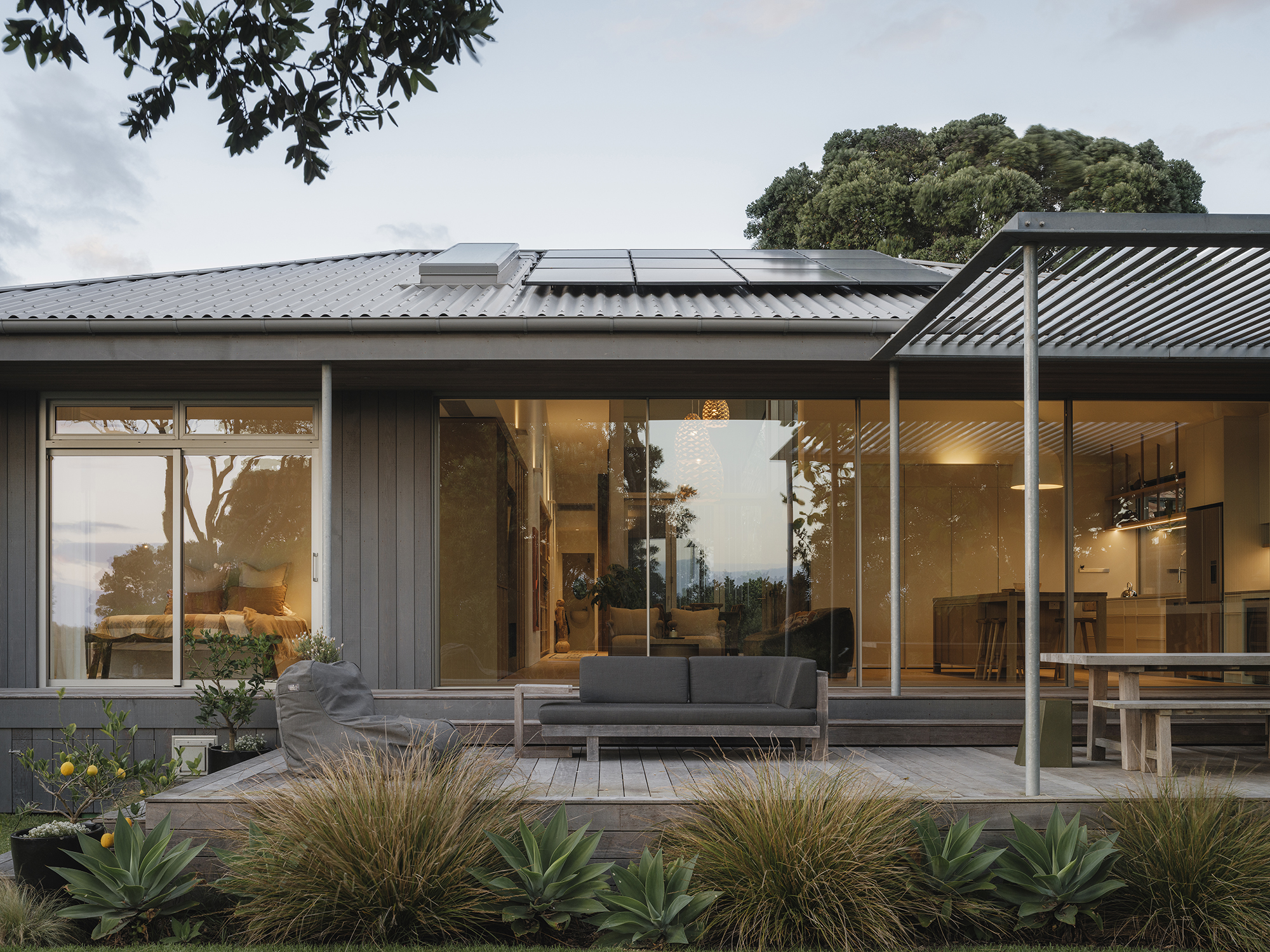
Treefold — Bay of Plenty coast, completed 2025.
Where we work
A residential architecture practice grounded in the Bay of Plenty.
ATA is based in Mount Maunganui and works across the wider Bay of Plenty — Tauranga, Pāpāmoa, Ōmokoroa, Katikati, Whakatāne and the Coromandel coast — with selected projects further afield in the Waikato and Auckland.
Working close to home means we understand the things that quietly shape a coastal house here: prevailing wind, salt exposure, summer sun angles, the way a north-facing court behaves in February versus July, and how a site's mature planting can do more for a building than any clever facade detail.
Most projects start with a site visit. Whether you're looking at bare land, an existing bach, or a tired family home with good bones, we'll walk it with you before talking about scope.
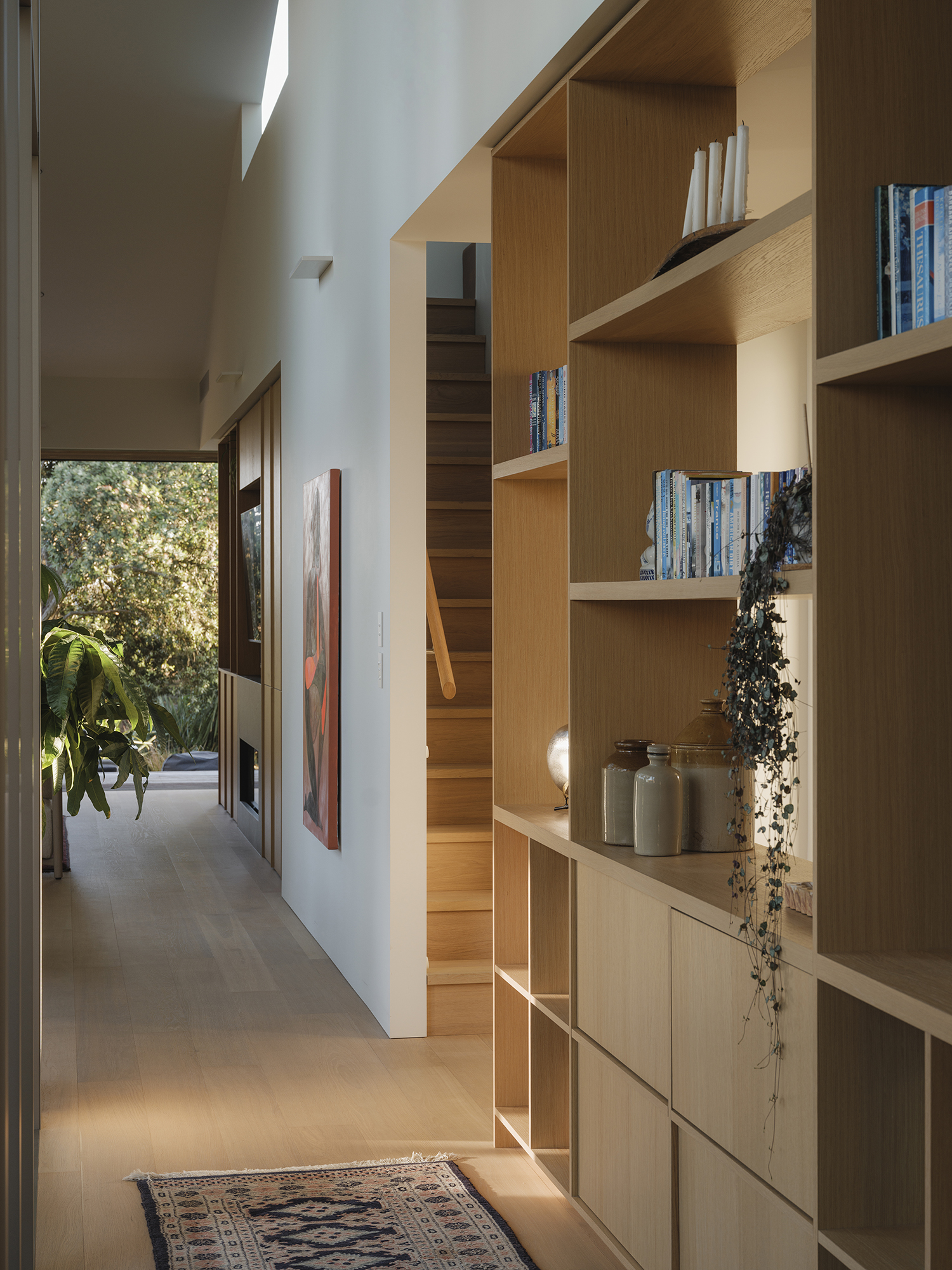
Considered joinery — designed as part of the architecture, not specified after.
How we work
From first conversation to handover.
Every ATA project moves through the same six stages — discovery, concept, developed design, consenting, tender and construction observation — but the time spent in each is set by the project, not a template. A renovation of a 90-square-metre bach will not run the same way as a 380-square-metre new build on a coastal cliff.
We coordinate the wider consultant team (structural, civil, geotechnical, services, landscape, energy modelling) on your behalf, and we stay involved through construction so the things that matter on paper actually get built that way.
Resource and building consent is part of the work, not a separate billable surprise. We handle pre-application discussions with council, prepare and lodge the applications, and respond to requests for further information.
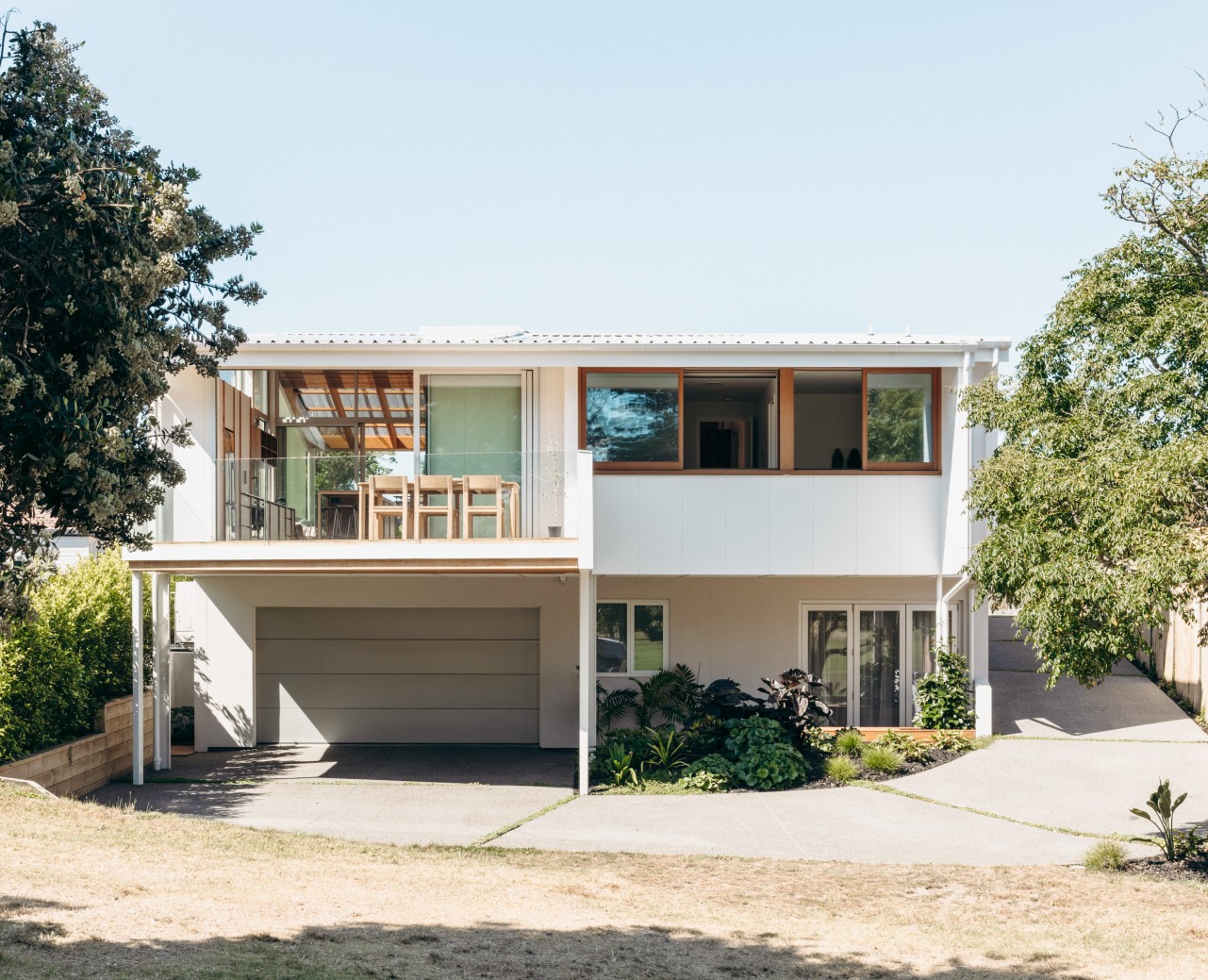
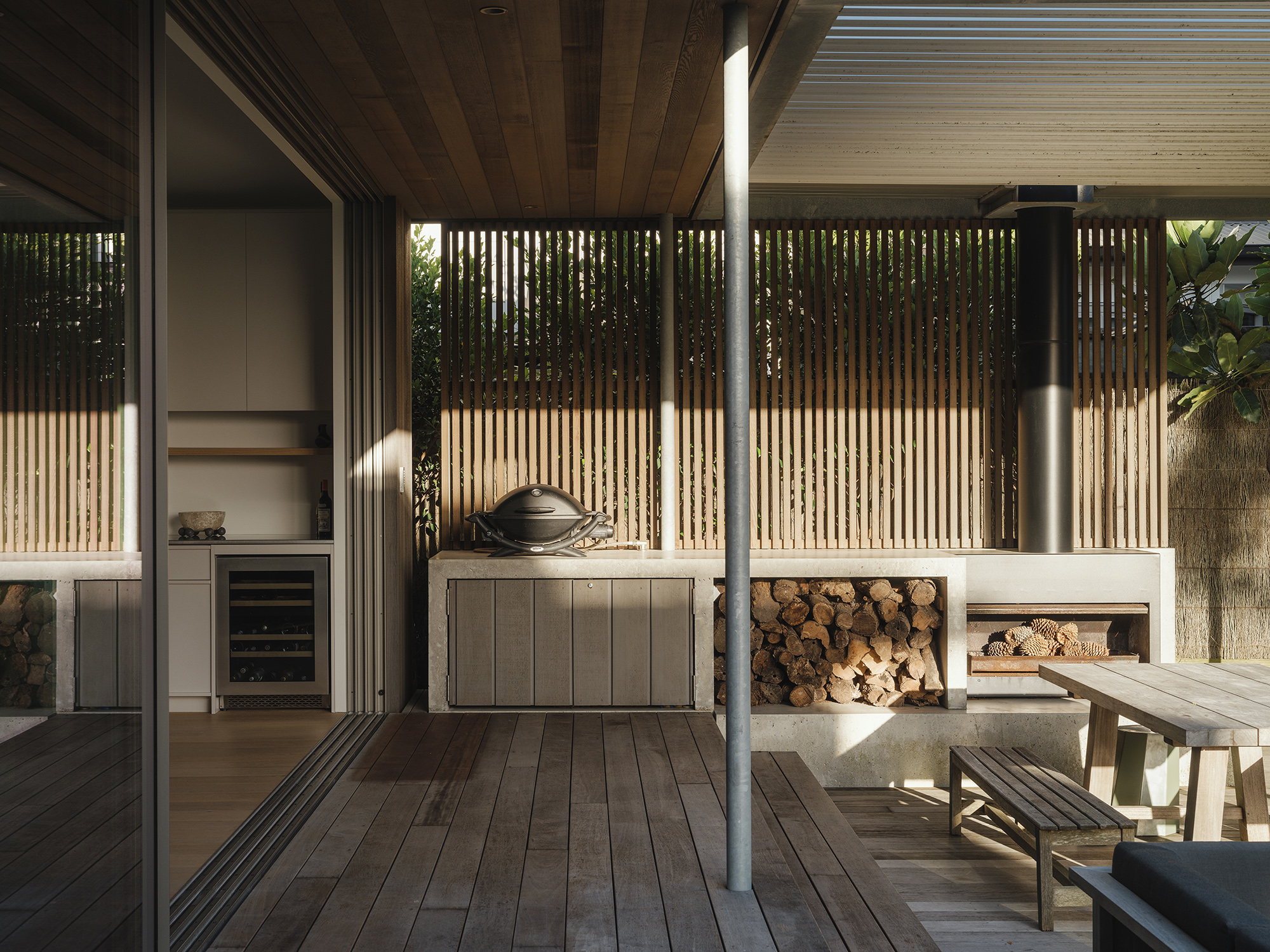
Sheltered outdoor space — passive design extending the usable year.
How we build
Designed to perform, not just to look good in photos.
ATA homes are designed first for passive performance — orientation, thermal mass, shading, ventilation, and the right amount of insulation in the right places — so the building does most of the work before any active system has to.
Specification is unfashionable on purpose: materials that age, joinery that can be repaired, systems that can be serviced. We work with Homestar where it's the right tool, and we're happy to talk you through the trade-offs of certification versus simply building well.
We're recognised by the Architectural Designers New Zealand (ADNZ) awards for high-performance residential work, and our projects are designed to be still functioning quietly and beautifully decades after handover.
Common questions
Answers to the questions we hear most often.
Quick answers to the practical questions we're asked when people are first
thinking about an architectural project. If yours isn't here, just ask.
What areas does ATA work in?
ATA is based in Mount Maunganui and works throughout the Bay of Plenty — including Tauranga, Pāpāmoa, Ōmokoroa, Katikati and Whakatāne — as well as the Coromandel coast and selected projects in the Waikato and Auckland.
Do you handle the council resource and building consent process?
Yes. We coordinate pre-application discussions, prepare and lodge resource and building consent applications, and respond to council requests for further information as part of our normal scope of work.
How long does an ATA project typically take?
A renovation usually runs around 12–18 months from first meeting to occupation, and a new home typically 18–30 months depending on scale, site and consenting complexity. We'll set a realistic timeline at the end of the discovery stage so you can plan around it.
How are your fees structured?
Fees are project-based, agreed upfront in writing, and broken down by stage so you always know what you're paying for. We do not charge by percentage of construction cost — it creates the wrong incentives. For small early-stage enquiries, we offer a paid feasibility study so you can make informed decisions before committing to a full design engagement.
Do you take on renovations as well as new builds?
Yes — and we take them seriously. A well-resolved alteration to an existing home is often more demanding than a new build, and we treat it the same way: site analysis, design development, consenting and construction observation.
What is the difference between an architect and an architectural designer?
In Aotearoa, 'architect' is a legally protected title held by people registered with the New Zealand Registered Architects Board, while 'architectural designer' covers professionals working under the ADNZ framework. Both can design and document a house through to council consent and construction. ATA's work is recognised by the ADNZ awards programme; what matters more than the title is the quality of the thinking, the documentation, and the construction observation.
What does sustainability mean to you in practice?
It means designing for passive performance first — orientation, shading, ventilation, insulation — so the building does the work before any active system. It means specifying materials that age gracefully and can be repaired rather than replaced. We use Homestar where it adds genuine value and are happy to talk you through the trade-offs of formal certification versus simply building well.
How do I get started?
Send a short note describing the project, the site, and roughly when you'd like to start, to office@ata.studio. We'll come back to you to arrange a site visit or studio meeting. There's no cost to that first conversation.
Get in touch
Thanks for having a look around.
If something here feels close to what you're picturing for your own place — or
you just want to talk through what might be possible on your site — drop us a
line. Coffee, a site visit, or an email, whichever's easiest. We look forward
to hearing from you.